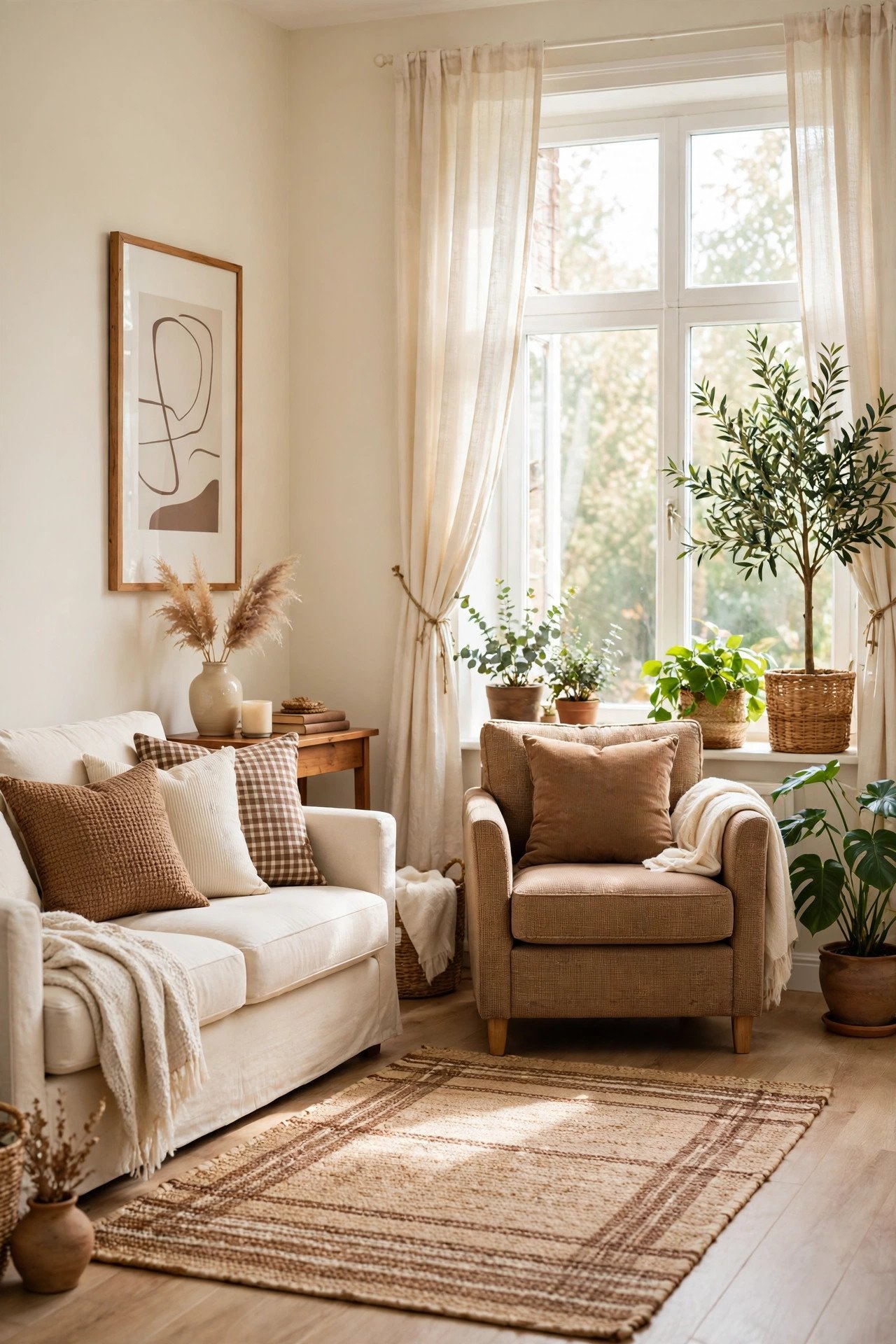
“This room needs new furniture” is the most expensive sentence in home decor — and most of the time, it is not true. Rooms usually look tired because of dust, drift, and crowding: things have slowly moved, multiplied, and faded, until a perfectly good sofa and table sit inside a room that no longer looks cared for. New furniture dropped into that situation would look tired again within a month.
This guide refreshes a room using only what you already own, plus cleaning supplies and a free weekend afternoon. The method is subtract first, rearrange second, restyle third. Nothing here requires shopping, and almost every step works in a living room, bedroom, or dining space.
Quick Answer
To make a tired room look fresh without buying furniture, work in four passes. First, deep clean everything, including windows, light fittings, and the tops of tall furniture. Second, remove roughly a third of the decor and all visible clutter, and store it out of sight for a week. Third, rearrange the furniture for balance and clear walking paths, swapping pieces between rooms where it helps. Fourth, restyle what remains: group decor in threes, repeat one or two colours, fold textiles neatly, and put one clear focal point on the main wall. Most rooms look noticeably fresher after the first two passes alone.
Pass 1: Clean Like You Are Moving Out
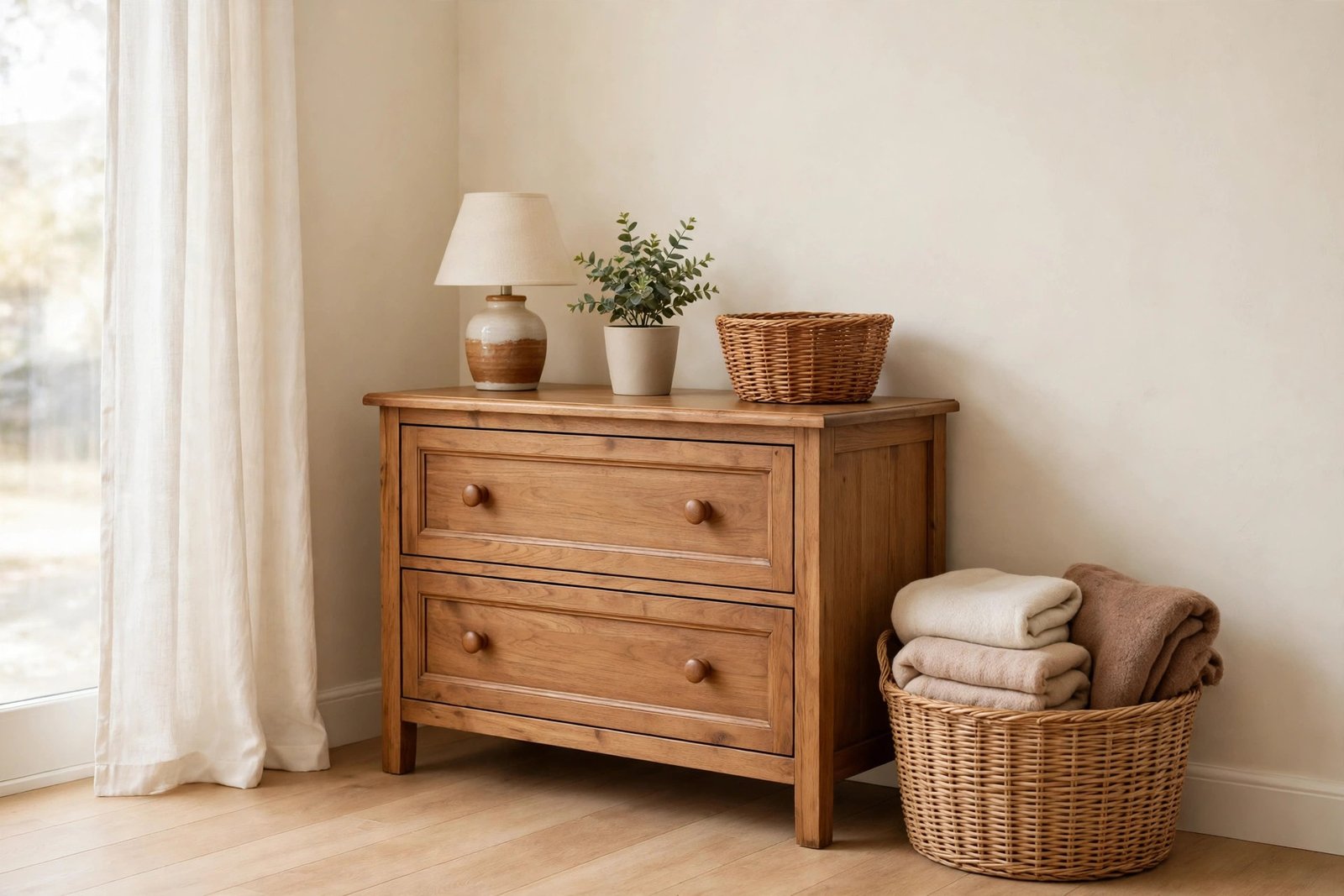
Ordinary weekly cleaning maintains a room; it does not reset it. A reset clean reaches the places that quietly age a space: the dust line on top of the bookcase, the grey film on the ceiling light shade, fingerprints around door handles, the cobweb in the high corner, and the inside of the window glass. Each one is small, but together they send the message “this room is old” before you notice any single cause.
Work top to bottom so dust falls onto surfaces you have not cleaned yet. Wash or vacuum curtains, beat cushion covers outdoors or wash them, and vacuum upholstered furniture with an upholstery tool, including under the cushions — the place where rooms hide a surprising amount of grit. Clean light bulbs carefully once they are cool and switched off; a dusty bulb gives noticeably less light.
The Smell Check
Freshness is partly smell. Soft furnishings hold cooking and everyday odours, so air the room fully while you clean, wash throws and cushion covers, and empty any bin in the room. If a rug smells stale, a few hours in fresh air helps more than scented sprays, which only layer one smell over another.
Pass 2: Edit Ruthlessly — Remove a Third
Take every movable decor item off the shelves, tables, and mantel, and clean the empty surfaces. Then put back only the pieces you genuinely like, largest first. Aim to return about two-thirds of what was there. The rest goes into a box, out of the room, for at least a week.
Editing is the step people resist, and it is the step that changes the room most. Crowding hides good pieces: a nice vase surrounded by nine small objects is invisible, while the same vase alone on a cleared shelf becomes a feature. If an item is chipped, faded, or kept only because it was a gift you feel guilty about, this is a fair moment to let it go to storage or charity. The same “biggest surfaces first” logic drives our $100 living room makeover plan when you do decide to spend a little.
Clear the Hidden Clutter Zones
Every room has a drift zone: the chair that collects clothes, the corner where bags land, the table that holds this week’s paperwork. Name yours and empty it completely. Give the things a real home elsewhere, or accept the zone and contain it with a basket or tray you already own — a contained pile reads as storage, a spreading pile reads as mess.
Pass 3: Rearrange for Balance and Flow
Now look at the furniture with fresh eyes. Rooms often end up with everything pushed against the walls, which leaves a bare, echoing middle and makes the edges feel like a waiting room. Pull seating slightly off the wall where the room allows, bring chairs into conversation distance (roughly 1.5–2.5 metres between seats facing each other), and make sure you can walk through the room without sidestepping anything.
Swap Between Rooms
Your home already contains a free furniture shop: its other rooms. The armchair squeezed into a bedroom may be exactly what the living room corner needs. A side table doing nothing in the hall can balance a sofa. Swap one piece at a time and live with it for a day — some swaps fail, and that is fine, because the experiment costs nothing but ten minutes.
Level the Room
Stand back and check balance. If all the tall, dark pieces stand on one side and all the light, low pieces on the other, the room will feel lopsided no matter how clean it is. Moving one tall item — a bookcase, a floor lamp, a plant stand — to the emptier side often fixes a room you could not previously diagnose.
Pass 4: Restyle What Remains
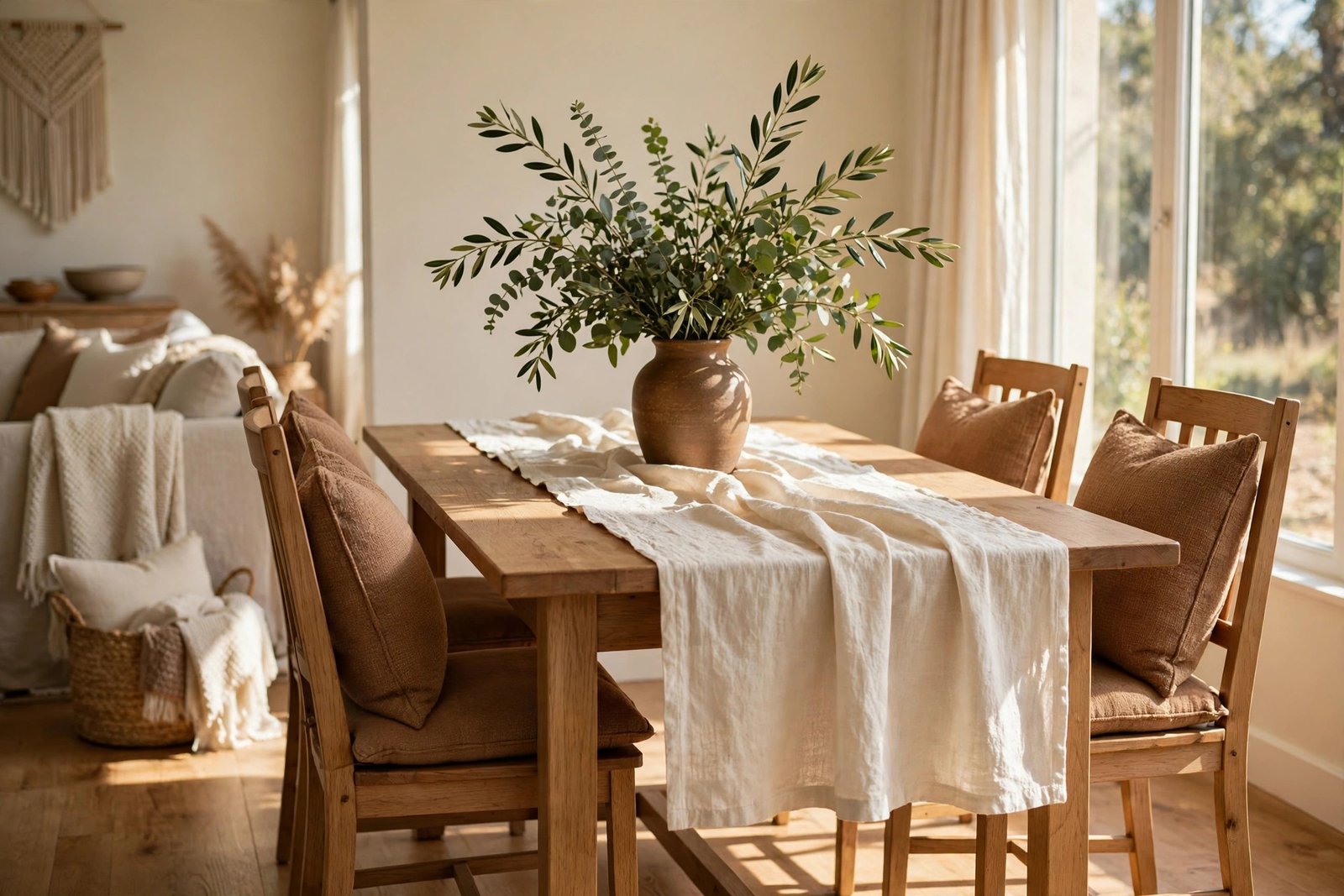
With fewer, better-placed pieces, styling finally has room to work. Use these simple rules:
- Group in odd numbers. A cluster of three objects at different heights looks composed; a long line of equal items looks like a shelf in a shop.
- Repeat a colour twice. If the cushions are rust, put something rust-toned across the room — a book cover, a pot, a folded throw — so the colour looks chosen, not accidental.
- Fold textiles with intention. A throw folded lengthwise over one arm of the sofa, rather than spread across it, instantly looks tidier.
- Give the main wall one focus. Regroup your frames into one tight arrangement instead of scattering them, or move your largest picture to the wall seen from the door. If you are working in a bedroom, the same reset pairs well with the steps in our bedroom makeover under $50.
- Bring in something green. A plant moved from another room, or even cut stems from the garden in a jug of water, adds the living note that tired rooms lack.
Pass 5: Light the Room Differently
Finally, change how the room is lit using the lamps you own. Move the lamp from the brightest corner to the darkest one. Turn off the main ceiling light in the evening and use two lower lamps instead; light at sitting height flatters furniture and faces. Open curtains fully during the day and clean the glass — daylight is the cheapest decor upgrade in existence, and it is already yours. You can find more no-spend and low-spend room plans in our budget room makeovers collection.
Mistakes to Avoid
- Rearranging a dirty, crowded room. Moving clutter to new positions is not a refresh. Clean and edit first, or the new layout will look old by the weekend.
- Putting everything back “for now”. If the stored third quietly returns, the room returns with it. Keep the box out of sight for a full week before deciding.
- Lining all furniture against the walls. It maximises floor space on paper and minimises comfort in real life. Pull key pieces in and anchor them with a rug if you have one.
- Swapping too much at once. Change one piece, live with it, then judge. Wholesale swaps make it impossible to tell which move helped.
- Hiding wear instead of cleaning it. A cushion flipped to its clean side is a trick that lasts a day; washed covers and vacuumed upholstery last the season.
- Forgetting the entry view. Judge the room from the doorway, the way guests and your own eyes first meet it — not from your usual seat inside it.
Frequently Asked Questions
How long does a no-buy refresh take?
For one room, plan on two to three hours: about an hour of cleaning, an hour of editing and rearranging, and the rest styling. Larger or heavily cluttered rooms may take an afternoon, but almost all of the visible gain arrives in the first half of the work.
What if I edit a third of my decor and the room looks empty?
Give it two days. Eyes adjust to clear surfaces quickly, and what felt empty usually starts to feel calm. If a specific spot still looks bare after that, bring back your single best stored piece for that spot — chosen, rather than returned by habit.
Can I refresh a room if my furniture is genuinely worn?
Partly, yes. Clean upholstery properly, place the most worn side of a cushion out of direct view, and use a neatly folded throw over a worn arm. These steps buy real time. What they cannot do is repair sagging seats or broken frames — those are honest future purchases, not decor problems.
Which room should I refresh first?
The room you sit in every evening. You will feel the benefit daily, and the practice run teaches you the method — clean, edit, rearrange, restyle — before you apply it to rooms guests see.
A tired room is usually a good room wearing a year’s worth of dust and drift. Clean it properly, take a third away, move what is left with intention, and restyle the survivors. Only spend money after that — because by then, you will know the short, exact list of what the room actually needs.