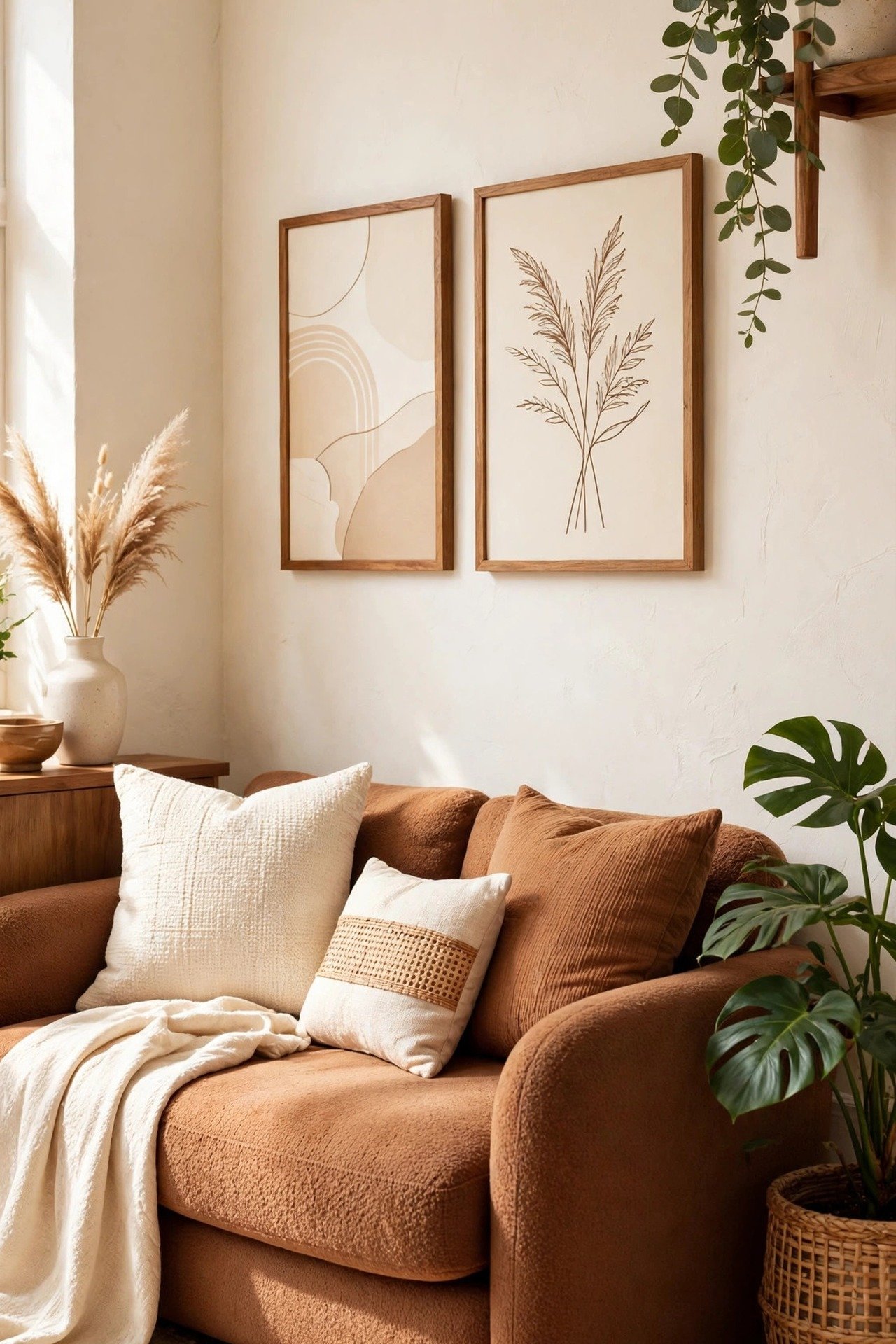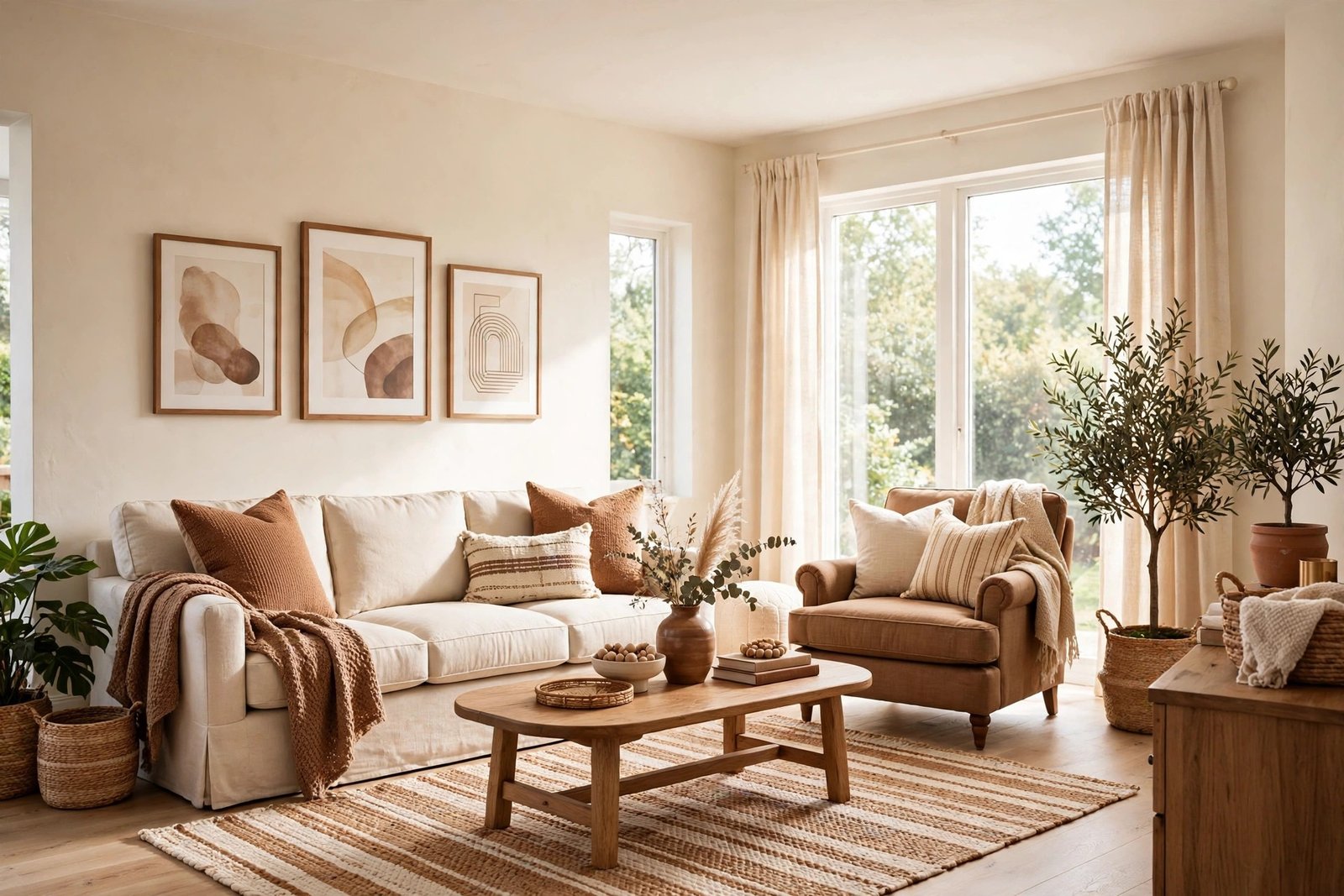
There is a particular kind of restlessness that arrives when a room has looked the same way for too long. Nothing is wrong with it. It is clean, it works, the furniture is fine — but you are bored of it, and the usual cure, shopping, is not in the budget. Here is the part most people miss: your home already contains a second room’s worth of decor. It is simply all in the wrong rooms.
This article is about redecorating, not refreshing. Refreshing makes the same room cleaner and calmer; redecorating gives it a different look — a new colour scheme, a new focal point, a new style direction — using only what you already own. No purchases, no new furniture, and no repeating the clean-and-rearrange routine. The method is to shop your own home, room by room, build a new palette from what you find, and swap pieces between rooms until the room in front of you no longer looks like the room you started with. If you also want the deep-clean and declutter companion to this job, start with how to make a tired room look fresh without buying new furniture, then come back here for the new look itself.
Quick Answer
To redecorate a room using only what you already own, do not start in the room — start in the rest of the house. First, gather every movable decor item you own — cushions, throws, art, mirrors, lamps, vases, baskets, rugs, curtains — into one place and sort it by colour. Second, choose a new palette of two main colours plus one accent from those piles, different from the room’s current scheme. Third, choose a new focal point and style direction, such as calm and pale, warm and layered, or bold and graphic. Then swap: bring the pieces in your new palette into the room, move its old pieces out to other rooms, hang different art, exchange textiles and lamps with another room, and restyle shelves completely from the gathered stock. The cost is $0; the change comes from colour and combination, not from new things.
Step 1: Shop Your Home — Gather Everything Into One Place
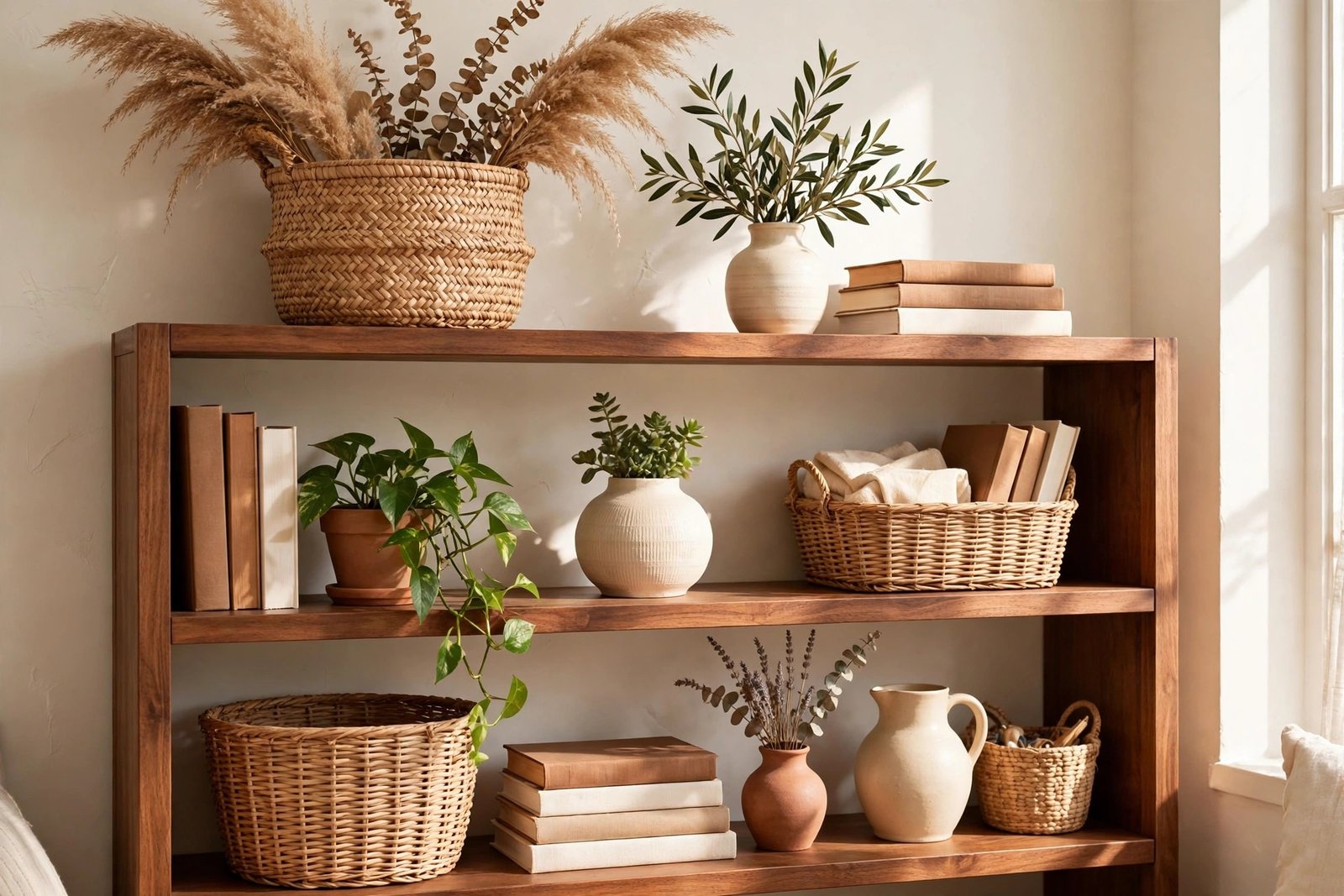
Redecorating from your own stock fails when you try to do it from memory, glancing at one shelf at a time. Instead, spend twenty minutes collecting. Walk through every room with a laundry basket and gather all the movable decor that is not fixed down: cushion covers and throws, framed pictures and prints not yet hung, vases, candle holders, baskets, small rugs and runners, spare curtains, table lamps, and the ornaments currently spread thinly across the whole house.
Lay it all out on a bed or a cleared table. This pile is your shop, and it is almost always bigger than expected: spread across five rooms it looked like clutter, but gathered together it becomes a collection you can choose from. Note the pieces you had forgotten entirely — a picture in a spare room nobody enters is decorating nothing where it is; in its new room, it can be the centrepiece.
Step 2: Build a New Colour Palette From What You Own
Sort the pile by colour, not by type: a pile of whites and creams, a pile of blues, a pile of warm earthy tones, a pile of greens, a pile of dark or black pieces. Now look at your room’s current scheme and deliberately choose a different one. If the room is currently warm beige and brown, your new scheme might be cream, sage, and white pulled from the green and neutral piles. If it is pale and washed out, choose the warmer piles and add one dark accent pile for contrast.
Keep the formula simple: two main colours to carry the room, one accent colour in small doses, and the neutrals — white, cream, wood, grey — as the background that holds it together. Everything you place in the room from this point must belong to the chosen piles. Everything in the room that belongs to the old palette comes out, without negotiation, and goes into the swap stock for other rooms. This discipline is what makes the result look like redecorating rather than shuffling; a room where three palettes mix looks like storage, while a room committed to one new scheme looks designed.
Let one found item set the palette
If choosing feels hard, let an object choose for you: pick the gathered item you love most and use least — a patterned throw in a drawer, a print you never built on — and pull its colours as the palette. Real objects have harmonious colours built in, so a scheme taken from one always looks intentional.
Step 3: Change the Focal Point and the Style Direction
A room reads as “the same room” mostly because of its focal point — the thing the eye lands on first, usually the largest picture, the fireplace, the window dressing, or the bed or sofa styling. Change that one thing and the brain accepts the whole room as new, even though the furniture has not moved. Swap the picture over the sofa for a mirror from the hallway, or for a larger print from a bedroom. Move the tall lamp that has always stood in one corner to the opposite side and bring a different lamp in. Hang the spare curtains — a different colour or length at the window changes the light and the frame of the entire room.
At the same time, name the style direction in words, because words stop you drifting halfway: calm and pale, warm and layered, clean and graphic, country-soft. Pick one phrase, then test every piece against it as you place it — if it does not belong, it goes back to the stock, however nice it is. The same swap logic drives a living room makeover on a $100 budget, except there the swaps are supported by a little spending and here they must do all the work alone.
Step 4: The Great Swap — Textiles, Art, and Lamps Between Rooms
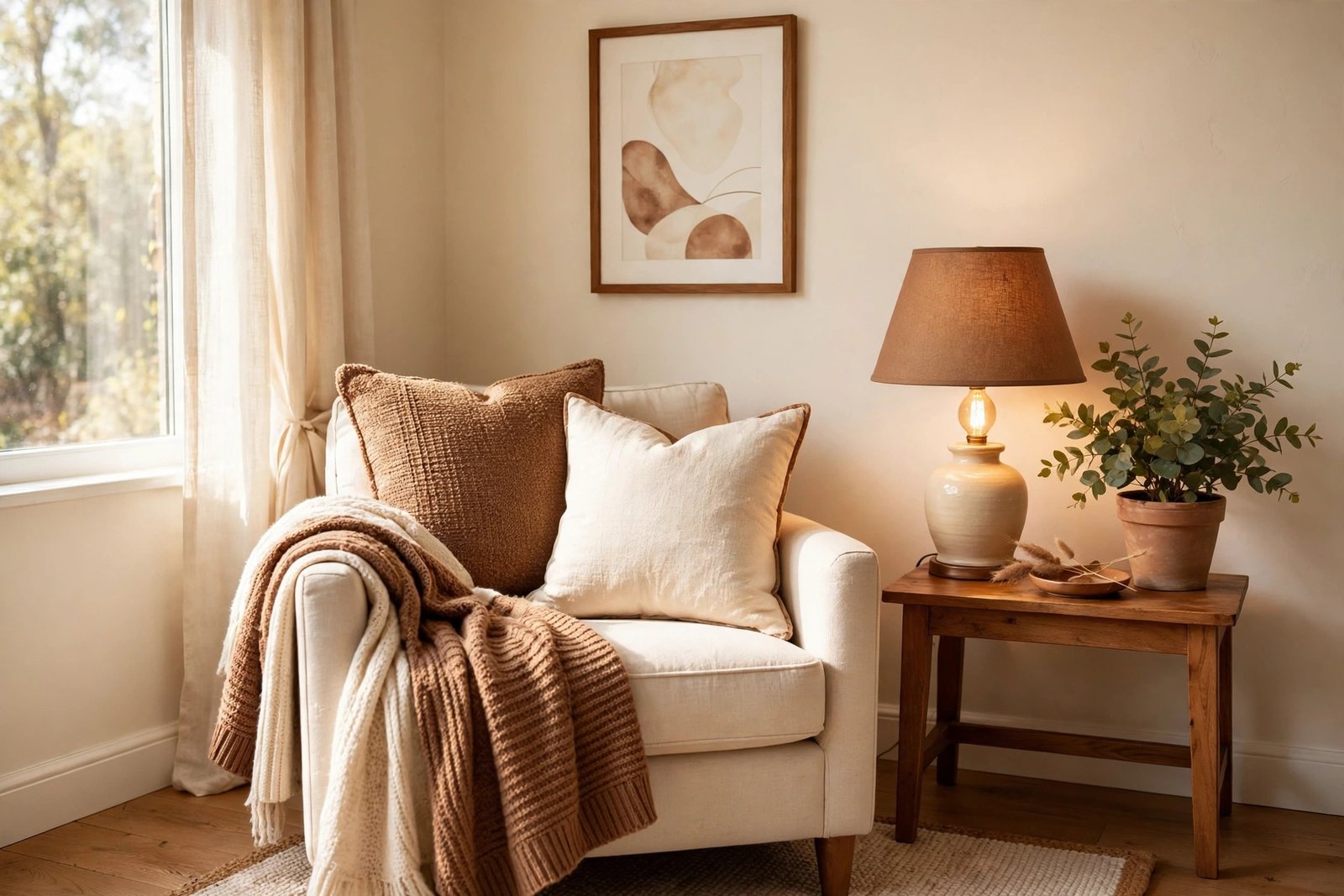
Now redecorate in earnest, working in layers. Textiles first, because they carry the most colour: exchange the room’s cushion covers and throw for the ones from your new palette piles — very often the bedroom’s spare throw and the cushions from a guest room are exactly the colours the living room needs, and vice versa. If the gathered stock includes a rug or runner in the new colours, swap rugs too; a different rug under the same furniture is one of the strongest redecorating moves there is.
Art second. Rehang the room completely from the stock: different pictures, in different positions, at eye level. A set of small prints that looked lost across two rooms can make one strong grouped arrangement here, while the large piece that dominated this room can become the anchor of the hallway. Lamps third: lamps change both the light and the silhouette of a room, and most homes have them distributed by habit rather than by need. Swap the lamp shades alone if the bases must stay — an overlooked move that changes the colour of the light itself.
Shelves and surfaces last, styled from the stock in the new palette: groups of three, varied heights, breathing space between groups. Then live with it for two days before judging — by the second day you will see it as a guest does.
What to Do With the Room You Raided
Swapping creates a donor room that now holds the old palette — an opportunity, not a problem. Restyle it around what it received, in miniature: commit it to its new colours, hang its new picture properly, arrange its textiles deliberately. One afternoon’s swapping then redecorates two rooms in opposite directions. More room-by-room projects are gathered in the budget room makeovers category.
Mistakes to Avoid
- Mixing the old palette back in. Keeping “just one” favourite item in the old colours breaks the new scheme. Move it to another room and enjoy it there instead.
- Swapping like for like. Replacing a blue cushion with another blue cushion changes nothing. The swap must change colour, scale, or position — ideally all three.
- Skipping the gather. Choosing from memory means choosing the same ten items you always notice. The forgotten stock in spare rooms and drawers is where the new look hides.
- No style direction. Without a named direction, the room drifts into a mixture that looks accidental. Two words — calm, warm, graphic, soft — are enough to steer by.
- Leaving the donor room in chaos. A robbed, half-empty bedroom will annoy you daily and undo the pleasure of the finished room. Restyle it the same day, with what it received.
- Judging in the first hour. Any real change looks wrong at first because it is unfamiliar. Live with it for two days, through different light, before swapping back.
Frequently Asked Questions
How is this different from just rearranging the furniture?
Rearranging changes where things stand; redecorating changes what the room looks like — its colours, its focal point, and its style. You can redecorate without moving a single piece of furniture, by changing the palette, art, textiles, and lamps. The strongest results usually combine a small amount of rearranging with a committed colour and style swap, but the colour swap is what makes visitors ask what you bought.
What if my home is small and I do not have much spare decor?
Work with textiles and art, which even small homes hold in variety: bedding, towels, tablecloths, and scarves can all serve as throws, runners, and cushion covers in a new scheme, and pictures can rotate between rooms seasonally. In a one-room home, swap between zones instead — the sleeping area and sitting area exchange textiles and art, and each gains a new look.
Can I really build a new colour scheme without buying paint?
Yes, because walls are not the only source of colour in a room. In most rooms the eye reads colour mainly from textiles, art, rugs, and objects, especially against neutral walls. A committed swap of those elements changes the room’s apparent palette completely. Paint would add more change, but its absence does not prevent a new scheme — it just means your textiles and art must carry the colour decisively.
How often can I redecorate this way?
As often as you like — that is the real advantage of the method. Many people settle into a seasonal rhythm, rotating the same stock: paler, lighter combinations for summer, warmer and more layered ones for winter, using the same pieces in different rooms and pairings. Because nothing is bought for a specific look, nothing is wasted when the look changes again.